显示标签为“amino acids”的博文。显示所有博文

2014年8月23日星期六

Nutritional value of apple cider vinegar

Apple cider vinegar
I knew that the acids in apple cider vinegar improve digestion and deter the growth of disease-causing bacteria in the digestive tract. The minerals potassium, sodium, calcium, and magnesium bind to the acids and neutralize them when the digestive tract needs to be more alkaline.  But there are a lot of things I did not know about it.  When I researched it for myself, I wanted to share it with you, too.

APPLE CIDER VINEGAR NUTRITION
Apple cider vinegar is a concentration of acids, flavonoids, polyphenols, pectin, enzymes, minerals, and amino acids that form during fermentation. Scientists have found about 90 different substances in apple cider vinegar, including 13 kinds of carbolic acids, 4 aldehydes, 20 ketones, 18 types of alcohols, 8 ethyl acetates and much more.  Nutrients include:

Acids – acetic, isobutyric, lactic, malic, and propionic

Amino acids – the number and amount depends on its source with some having antioxidant properties.

Beta-carotene – helps prevent cancer and protects the body against damage caused by exposure to toxic chemicals

Boron – is found abundantly in fresh apples. It is a key mineral that assists other bone-building minerals also found in apple cider vinegar like calcium, magnesium, and phosphorus.

Enzymes – are built from protein molecules and have many duties in the body. Those suffering from indigestion, gas, or bloating lack the essential digestive enzymes needed to digest food properly. Fresh apples are loaded with enzymes, which increase as vinegar is made.  This is why it is important to buy apple cider vinegar with the Mother. That way you know the precious enzymes and nutrients have not been destroyed in processing.

Apple cider vinegar treatment has abundant pectin. Pectin is best for the growth of probiotic which will be able to absorb heavy metal ion like lead, Nickle and Cobalt and others. These heavy metal ion absorbed by probiotic cannot be digested by gastric juice. So toxins inside you can be removed by probiotic effectively. Like this, your itchy skin is alleviated to some degree.

To learn more about apple cider vinegar knowledge, please consult our website to provide you with more knowledge

2014年8月19日星期二

Effects of fish on kidney disease

Click here for more information on diet
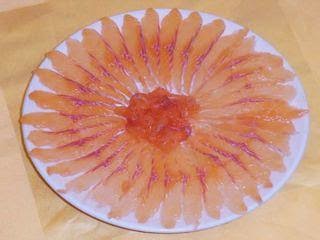
As we know, fish is a kind of food rich in protein. Protein is an essential nutrient for our body, but Stage 3 CKD patients’ protein intake is limited. Can they eat fish? How much they can eat?

What’s the function of protein in our body, and why Stage 3 CKD patients need to limit the protein intake?

General population needs 40 to 65 grams of protein each day. These protein is used for repairing tissue, making hormones, forming antibodies and enzymes, helping balance acid-base, fluid and electrolytes, and providing some of the body’s energy, so protein is necessary for our health.

What’s more, there are 20 amino acids, while nine of which is essential to our body. The nine amino acids can only be obtained through diet. Food containing all the nine amino acids is called "complete" protein, also referred to as high biological value proteins. These kinds of food are good for Stage 3 CKD patients.

But superfluous proteins will produce metabolic waste, which is filtered out by kidney. So too much protein intake will aggravate the burden of kidney. Stage 3 CKD patients must get right amount and right kind of proteins.
Is fish a kind of kidney-friendly food?

 Fish is a good nutrition, so can Chronic Kidney Disease patients eat some fish?Fish is rich in protein and it is said Chronic Kidney Disease patients need to limit protein intake. Therefore, does it mean it is not good for Chronic Kidney Disease patients to eat fish?

Fish contains high-quality protein with all the essential amino acids, which can be maximally used. Thus, minimum metabolic waste will produce so as to lessen the work of kidney. Some fish contains anti-inflammatory fats called omega-3 fatty acid fighting diseases such as heart disease and cancer. Fish highest in omega-3 fatty acid include albacore tuna, herring, mackerel, rainbow trout and salmon. Our experts advise to eat fish two or three times a week.

if fish is good for chronic kidney disease patients, it depends on patient’s specific condition,so Fish consumption was defined as average weekly intake of fried fish, oily fish, white fish, and fish fingers. The study accounted for lifestyle factors, like alcohol and tobacco use, family medical history, socio-economic status, and ethnicity, but the researchers found they didn't have a significant impact on risk of macroalbuminuria.
Email:sjzhospitalrenal@hotmail.com